Zone Selective Interlock (ZSI)
You can model ZSI for low voltage breakers. The library has data in the Solid State Trip section for ZSI of some LV breakers. To model the ZSI settings of any breaker, the data must be defined in the library. If you see inactive fields in the ZSI tab, check to see if there are other SST Style names that have ZSI suffix. To add new data to the device library, you can contact the EasyPower support team.
The settings on the breaker may depend on the design of the breaker. EasyPower models ST ZSI, Ground ZSI and Self Restrained breakers. Select the appropriate check boxes in the ZSI tab of the LV Breaker Data dialog. When the In and Out terminals for ZSI are jumpered, the breaker is Self Restrained.
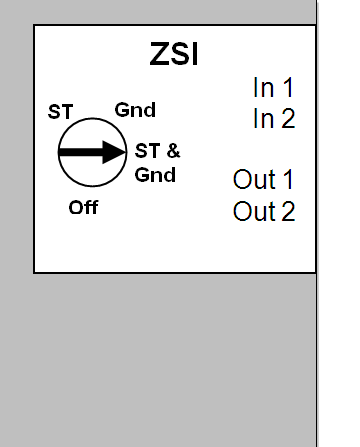
Figure 1: Typical ZSI Settings on Breakers
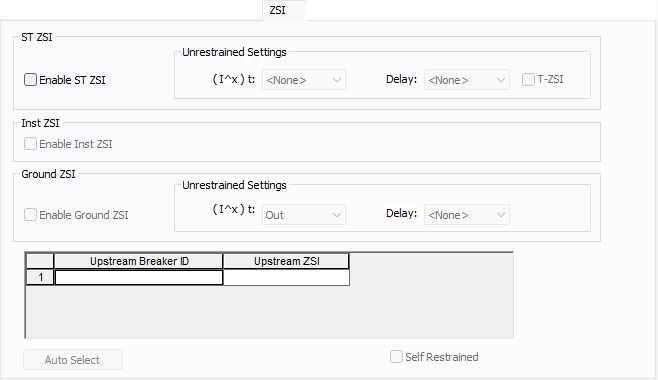
Figure 2: ZSI Tab in the Breaker Data Dialog Box
The sample one-line below shows the trip zones for various circuit breakers. The breaker in Zone 3 in this example is the furthest downstream. In the ZSI tab of the breaker’s dialog, the breaker in Zone 2 needs to entered as the Upstream Breaker. Similarly, the breaker in Zone 1 needs to be entered as the Upstream Breaker for Zone 2 breaker.
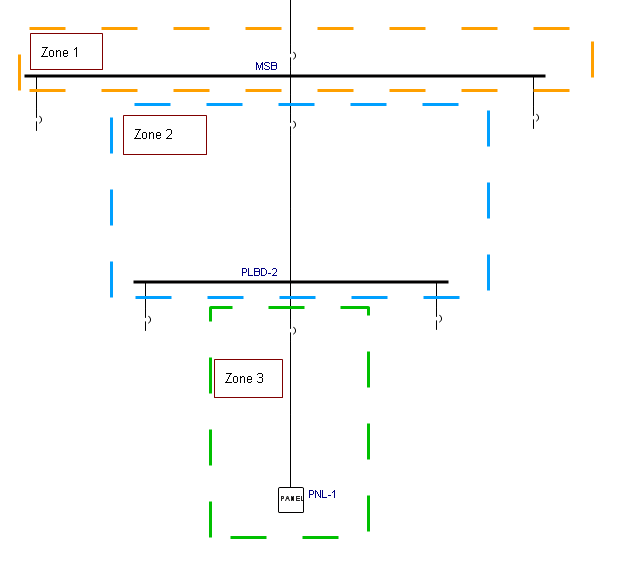
Figure 3: Trip Zones
Note: Before filling out the ZSI data in the LV Breaker Data dialog boxes, make sure that the other settings in the Solid State Trip have been filled out for all upstream breakers.
TCC Plots for ZSI Breakers